

Roots Down, Branches Out: CREA’s Next Chapter

In the summer of 2026, another group of students left San Antonio for Veracruz as part of the CREA study abroad program. What followed was the most developed and successful iteration of the program to date, and the culmination of relationships, lessons, and experiences that have been growing over the past three years.

Over the course of the program, students moved through some of Veracruz's extraordinarily diverse cultural and ecological landscapes, learning directly from farmers, researchers, community leaders, artists, and practitioners whose work connects agriculture with larger questions of culture, ecology, food, and community.

At the heart of CREA has been the idea of learning to see the world through a more holistic lens. Whether thinking about a farm, a watershed, a community, or an entire landscape, students are encouraged to understand the relationships between water, soil, plants, animals, people, culture, and economy. Holistic land planning and management is not simply about learning a collection of techniques. It is about learning to see how systems fit together and how decisions in one part of a system affect everything around it.

That philosophy came to life through relationships with an extraordinary network of partners across Veracruz. Students learned about regenerative agriculture, agroforestry, and life within the cloud forest at Las Cañadas Bosque de Niebla near Huatusco. In Coatepec, El Equimite, part of the Ensambles coffee operation, offered another perspective on agriculture and coffee production, while La Ceiba Gráfica brought art and cultural practice into the experience through printmaking, linoleum cuts, and zine making. In Los Tuxtlas, time at Los Amigos connected livestock and cattle management with tropical ecology, birding, ornithology, and the larger landscape.
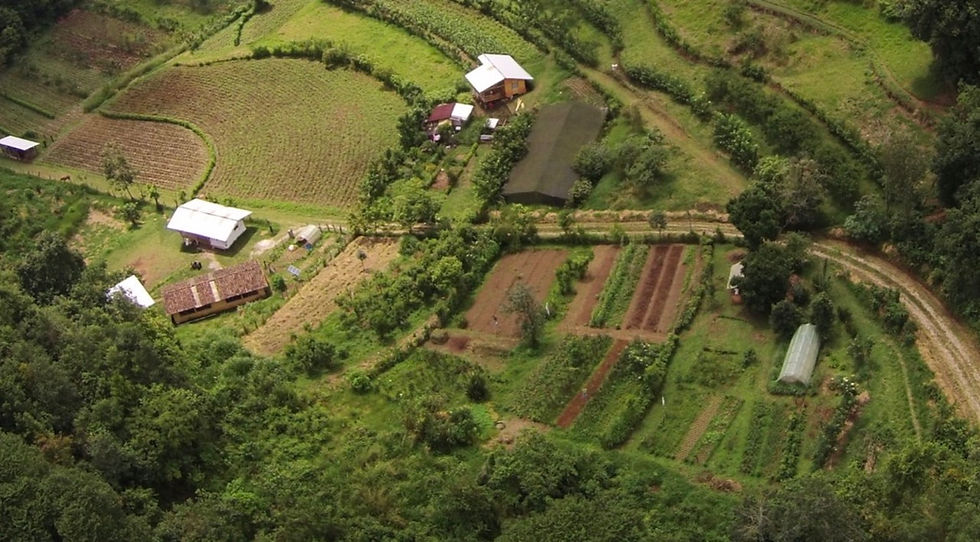


These experiences were never intended to provide students with a list of practices to bring home and replicate. CREA asks a different set of questions: Why does something work here? What ecological, cultural, historical, and economic conditions shaped it? What can we learn from it? And how do we apply that way of thinking to our own communities and landscapes?
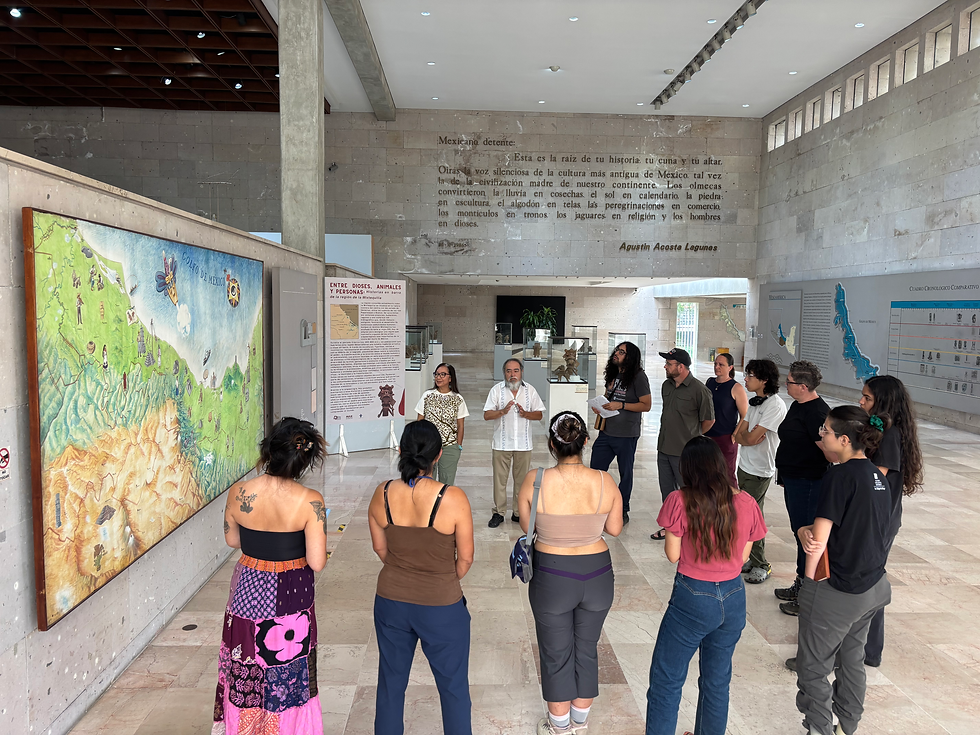
Three Years of CREA
CREA began with a relatively simple idea: create an opportunity for students to learn about regenerative agriculture and community-based environmental work by experiencing it directly and, importantly, by learning from people already doing that work.
Over three years, that idea has evolved considerably.
Each cohort has helped shape the program that followed. Relationships have become stronger, the curriculum has become more connected to place, and the experience has increasingly emphasized holistic thinking and the connections between ecological systems and the cultural, economic, and social realities surrounding them.

Perhaps the most important result has been the network that has grown around CREA.
What began as a study abroad program has developed into relationships among students, faculty, farmers, researchers, artists, educators, and community organizations on both sides of the border. Those relationships have created opportunities that extend well beyond the few weeks students spend traveling together in Mexico.

CREA has also grown into a larger educational pathway. Students can begin through the CREA Fellows program in San Antonio, continue through immersive experiences with our partners, and move into internships and other opportunities that allow them to deepen those relationships and put what they have learned into practice.

Building on What We Started
While 2026 marks the final year of the CREA study abroad program in its current form, it does not mark the end of CREA. In many ways, it is just the beginning.
Through our new HONEY Pathway Collaboration with the University of Texas at San Antonio, along with the next year of CREA fellowships and internships, we are building new opportunities for students to participate in international internships and continue working directly with partners in Mexico. Rather than recreating the same study abroad experience each year, we can now build on the relationships that the past three years have made possible.

In spring 2027, we are also working toward a CREA Sobremesa in San Antonio, bringing partners from Mexico together with students, educators, and community partners in Texas. The gathering will create space for people from across the CREA network to learn from one another and explore what deeper collaboration might look like. (Stay tuned for for more information.)
That means bringing together the relationships developed in Mexico with the community that surrounds CREA in Texas, including partners such as the San Antonio Food Bank, Gardopia Gardens, The Wild Farm, Alianza Raices Vivas, Sovereignty Ranch, and others working across Central and South Texas.


Three years of CREA have shown us what can happen when education becomes more experiential, when land and community are understood holistically, and when students are given opportunities to learn directly from people whose knowledge comes from working within their own landscapes and communities.

The study abroad program helped us build those bridges. Now we have the opportunity to cross them in both directions.
As CREA enters its next phase, we look forward to creating more opportunities for students, bringing more of our partners together, and continuing to strengthen the relationships between communities in Mexico and Texas.
A big thanks to all of those who made this work possible.


Comments